How to Reset Your Password for Windows 10 and 11
There are plenty of reasons why you may need to reset Windows passwords. You may have been locked out of your account or simply forgotten your login information. This situation is common and can be frustrating. This guide will cover how to reset your Windows password (whether you’re using Windows 10 or Windows 11), how to unlock laptops and PCs, and how to handle “forgot password” scenarios to unlock your laptop, desktop, or phone.
Understanding Windows Account Types
It can be helpful to understand the different Windows accounts available and how they affect password resets. Users can choose between a Microsoft account and a local account. Here’s a quick overview:
| Account Type | Local Account | Microsoft Account |
| Features | Doesn’t require internet to sign inNot connected to the cloudSettings, apps, etc. are all limited to one deviceIt is not connected to other services | Linked to the same email/password that you use with other Microsoft services, such as Outlook, Xbox, Windows, etc. Files and settings can sync across multiple devicesEasier to manage user accounts |
| Reset Options | Limited password reset optionsYou’ll need to have already set up a password reset disk or security questions to verify identityMay require an administrator account to deal with resetting passwordsMay require a system resetMore susceptible to getting locked out of a single device | You can reset your password from any deviceBecause user password changes can happen from any device, it’s a great workaround if you’re locked out of a specific computer or laptop |
How to Reset a Microsoft Account Password
There are a couple of ways you can reset your password if you have a Microsoft account. We’ll cover the steps and methods for each, so you can regain access as quickly as possible.
Using the “I forgot my password” Link on the Sign-in Screen
- Go to your Microsoft account sign–in screen
- Beneath the “enter your password” field, choose “Forgotten your password?”
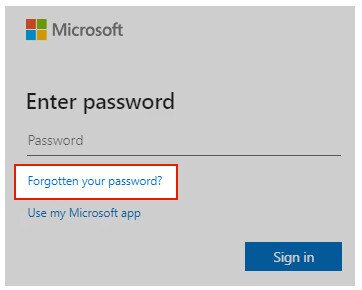
- To reset your password, Microsoft will need to verify your identity first. You can have them send you a verification code to your email address or phone number. Part of your number or email will be hidden (for security purposes), and you will need to confirm that you know the missing information by entering it. At this point, click Get Code.
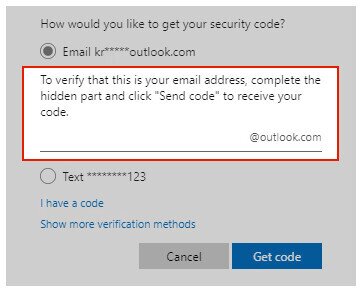
- You should receive an email or phone verification with the code. Copy and paste the code in order to reset your account and create a new password
Resetting via Browser from Another Device
- To reset from another device, go to the Microsoft account login page in your browser
- Instead of trying to sign in, click “Can’t access your account?”
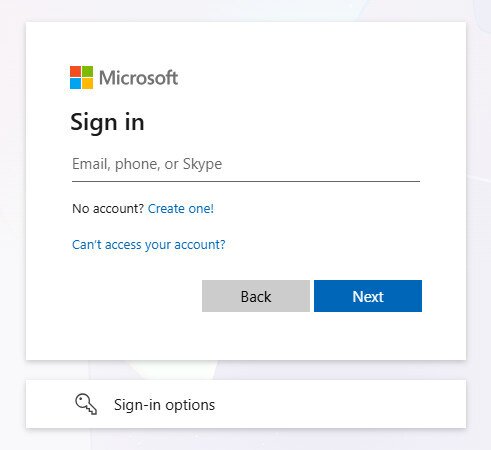
- Select whether it is a work or a personal account.
- Enter your email address or phone number
- A phone or email verification code will be sent to you as a password reset link
- From here, you can input the code, and it will let you reset via browser so you can create a new password
If you have any issues with this process, visit the Microsoft account recovery page.
How to Reset a Local Account Password
Resetting your Windows password through a local account can be a little more complex. Still, it is often possible, especially if you have taken preventive measures before losing access. Here are the methods and steps to know.
Using Security Questions (if set up)
Logging in with security questions will require you to have set this up in advance. If you did, resetting your password should be relatively simple:
- Go to the Windows sign–in screen.
- On the blank password field, click the arrow to open the Reset Password option, or look for Reset Password if it’s already listed.
- You’ll see various security questions that you should have already answered when you initially set up your account.
- Answer the questions with the exact same information you did upon account creation.
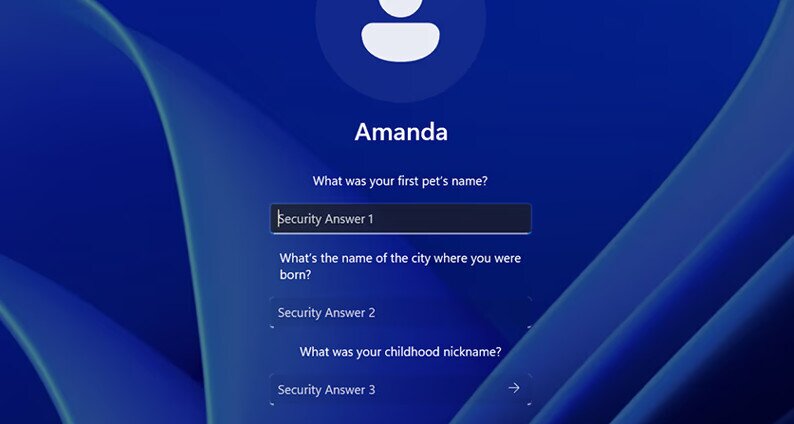
- The option to create a new password will then appear.
Using a Password Reset Disk
Using the reset disk option is a great way to change your password without logging in. However, it requires you to have set it up in advance, which won’t help you much if you’ve already lost access to your account. However, it is well worth taking this precaution to avoid future login issues. Here’s how to set up a password reset disk:
- You will need a USB flash drive.
- Sign in to your local Windows account (you can’t use this method for Microsoft accounts).
- Insert the flash drive into your computer.
- Go to the taskbar search field and input Control Panel, selecting it when it appears.
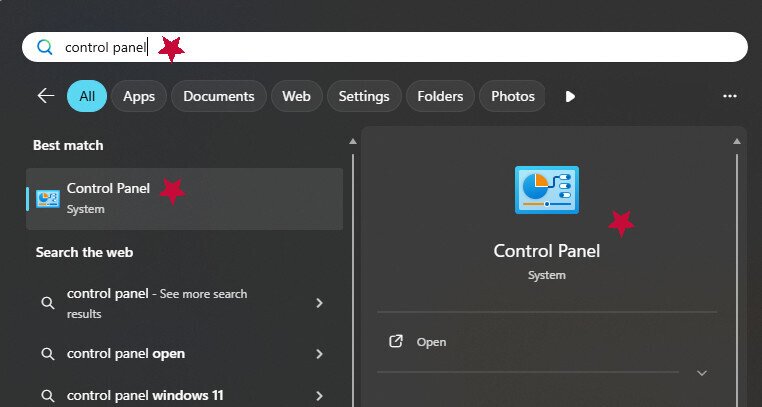
- Type in the search box on the upper right of the Control Panel, “Create password reset”.
- You’ll see “Create password reset” as a clickable option on the Control Panel window. Click it
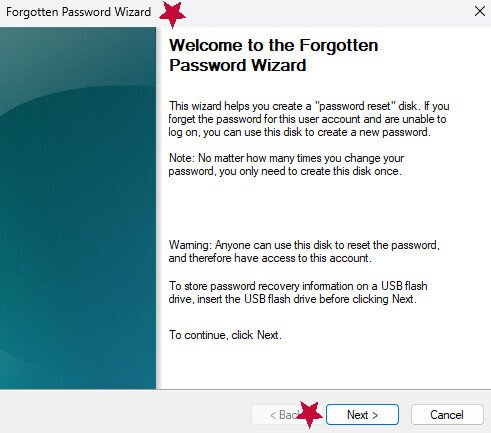
- This opens the Forgotten Password Wizard, which explains several important points that we will add below. Read through it and select Next.
[file:forgotten-password-wizard; alt:Windows Forgotten Password Wizard pop up]
- Choose the USB drive to save the password disk to, and then select Next.
- Input your current user password and click Next.
- Follow the prompts to confirm and finish.
Now that you know how to create a password reset disk, here’s how to use one:
- Insert the USB drive that you have the password reset disk saved to.
- Go to the Windows login screen.
- If you don’t already see “Reset password” as an option, put in any wrong password into the field to bring it up, then click on it.
- Because the USB drive is plugged in, the Password Reset Wizard window will open.
- There will be a dropdown list of various drives to choose from. Select the USB you’re using and select Next.
- From here, you should be able to create a new password and even put in a hint to help you remember it in the future. Follow the prompts to finish. Note that even after you change your password, there is no need to create a new disk; it should still work. However, if you go through the process of making another password reset disk, the new one will override the previous one, and it won’t work anymore.
Using Command Prompt (Advanced Method)
If you have a local account and need a way to password reset without disks (such as if you didn’t create a password reset disk in advance) you can try using command prompt. This does require administrative privileges, however, so keep that in mind. If you can’t log into your computer at all and don’t have admin authentication, you’ll need to try a different method. Otherwise, here are the steps:
- Click the Windows Start menu on the bottom left of the screen.
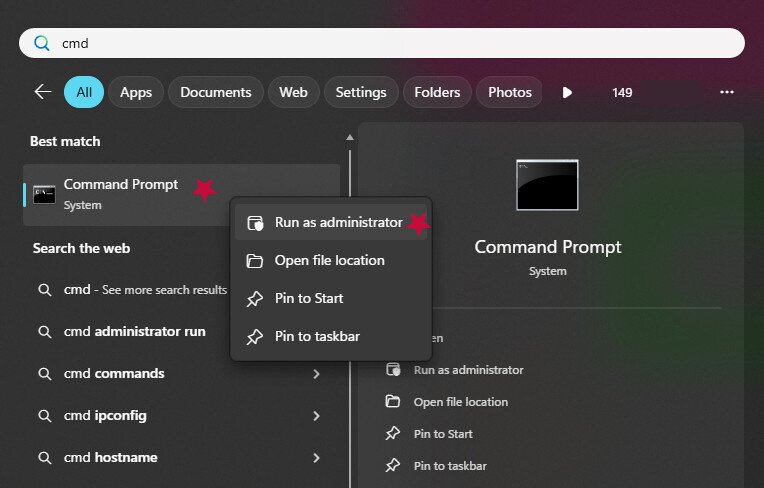
- In the search field, input CMD to pull up the command prompt.
- Right-click on the command prompt and select Run as administrator.
- Click Yes when prompted to allow changes to your computer.
- Type “net user” without the quotes and pushEnter.
- Thanks to the net user command, you should see the available accounts listed, such as Administrator, Guest, and specific user account names.
- Type “net user username newpassword” without the quotes, but replace username with the account name and the new password with whatever new password you want. For example, if the account name is Sarah and the new password is flowers123, the command would appear as follows: net user Sarah flowers123.
- Press Enter, and you should see that the command completed successfully, indicating the password has been updated.
Alternative Password Recovery Methods
Here are some alternative password recovery methods to unlock laptops and PCs, even if you need to reset without disks or don’t have admin privileges.
Reset Windows Password Using PIN (if set up)
Note, you’ll need to already have PIN-based access set up to reset your passwords this way, but it is an effective method in these circumstances. For this to work, you’ll need to be able to sign in with your PIN, but it lets you reset your actual password.
For Microsoft accounts:
- Go to the Settings.
- Go to Accounts.
- Go to Sign-in options.
- Go to Password.
- Go to Change.
- Follow the prompts and choose Forgot my current password.
- You should get directions to verify and let you make a new password.
Meanwhile, if you ever run across a problem, here’s how to fix the “something happened and your PIN isn’t available” error.
Use Advanced Startup (Reset this PC)
It’s important to know that there’s a risk of data loss if you reset your PC, so you may only want to try this if there is no other option. The instructions are pretty much the same for both Windows 10 and 11. Here are the steps:
- Go to the log-in screen.
- Select the Power icon (it’s on the lower right).
- Hold down the Shift key.
- Select Restart.
- Continue pressing the shift key down until you see “Choose an option”.
- Select Troubleshoot.
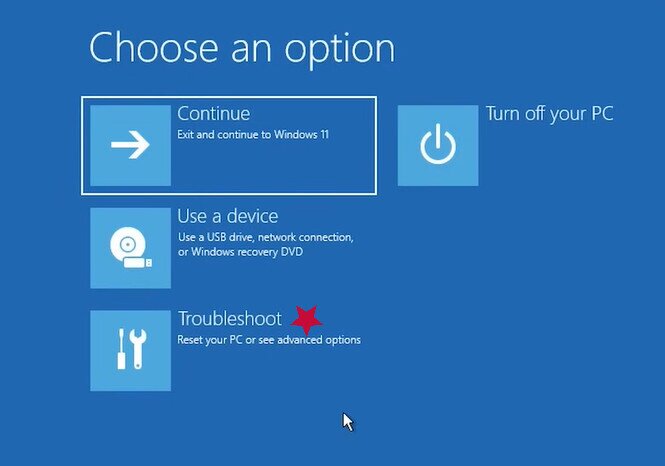
- Select Reset this PC.
- Select Keep my Files.
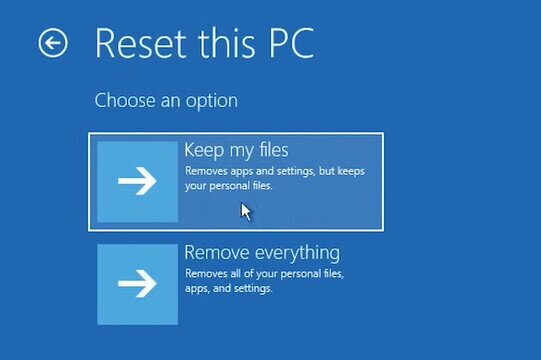
- From here, you can choose to either Cloud install Windows or Local install. If you have internet access, Cloud install is ideal, but either is fine.
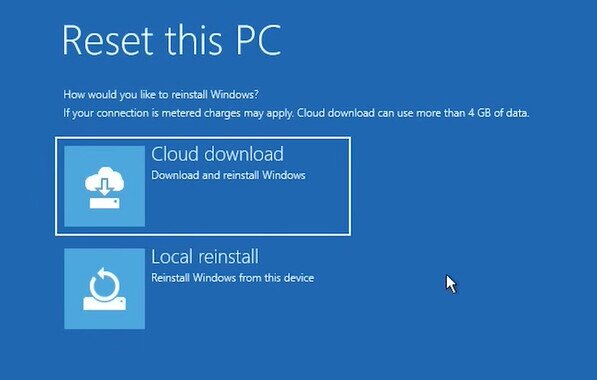
- Follow the prompts to confirm the reset and expect the computer to restart multiple times to implement the changes.
Third-Party Tools
There are some third-party tools that may help you manage or recover your passwords. Some allow you to log in temporarily to update your password, whereas others are password managers that store this information and help you avoid forgetting it.
That said, be careful about which third-party tools and apps you trust. Some can be malware in disguise, and it’s also important to know that you should use these methods only on computers you own and have complete control of. If you try to break into a computer from work, for example, you could end up in trouble.
Use caution and judgment when using these types of tools. Looking into user reviews and tech forums is a great start, as many users warn others about bad experiences and can serve as valuable red flags to avoid.
Important Notes on Data Security and Account Recovery
When it comes to data security and account recovery, being prepared is the best tactic. Here are some helpful tips to try to prevent and also manage password and account protection:
- Set up security questions in advance: Because this is a valuable recovery method, set them up as soon as possible. If you’re ever worried about someone else knowing the answers to your security questions, you can choose untrue answers that no one else would know. Just be sure not to lose this information.
- Try using a password manager: There are plenty of reputable options to help you keep track of your login data.
- Manage user accounts: Identify which accounts have admin permissions and which account recovery methods are in place for each user.
- Add MFA to your Microsoft account: Having multi-factor authentication helps increase security and verification options for your account.
- Change your password regularly: This is a cybersecurity best practice that reduces the risk of bad actors finding and using your login data.
- Use alternatives to passwords when possible: PINs and biometrics are handy ways to log in without the hassles of remembering passwords. For example, Windows Hello lets you use facial recognition to unlock your PC instead of typing in a password.
Troubleshooting: What If You Still Can’t Reset Your Password?
If you have tried all of these password recovery methods and still can’t get in, what else can you do to try to gain access?
- If you are using your PC for work, contact the IT administration to see if they can reset it for you.
- If you have a Microsoft Account, you have a few options. First, here is the Microsoft Sign-In Helper to help you troubleshoot and contact support. Here’s a resource to help troubleshoot Microsoft verification issues, too. Lastly, here is a link to the Microsoft Account Recovery form.
- If you’re trying to access the account of someone who has passed away, Microsoft has specific steps to request password/account recovery for someone who has died.
- If you run across Windows access denied errors, it’s important to have admin authority to fix them. Setting that up in advance can help you troubleshoot multiple login issues.
Frequently Asked Questions
How do you reset Windows if you forgot your password?
That depends on the type of account you have. If you have a Microsoft account, you can choose the “Forgot Password” option on the sign-in screen or reset it from another device. If you have a local account, you’ll need to either reset it via the security questions you already set up, enter the password reset disk (which you should have prepared in advance), or use the command prompt. Instructions for all of these are earlier in this article.
How can I find my current Windows password?
You won’t be able to find the current password stored in your account, as it’s encrypted. This means you’ll need a different way to sign in, such as by using a PIN or security questions. Resetting the password is likely the best option. You can use a password manager or other secure method to keep the new password safe for future use.
What if I don’t have a password reset disk?
If you know your current password, you can create a password reset disk for your local account any time, as long as you have a USB drive. However, if you didn’t create it in advance and need to reset your password, you’ll need to use security questions to reset your login, or use the command prompt or reset your PC.
Will resetting my password delete my files?
Most of the time, your files will be completely safe, even when you reset your password. However, there’s a risk of data loss if you use complex, in-depth recovery tactics, such as resetting your entire PC (not just the password). In this case, there may be a risk of data loss.
Conclusion
Now you should know the most applicable password recovery methods, how to manage user accounts, and how to set up security questions and a password reset disk. Hopefully, these options will help you to avoid being locked out of your account in the future. Meanwhile, if you want even better prevention tools, here are the best password managers in 2026 to look through.