Google One VPN Will Be Gone for Good
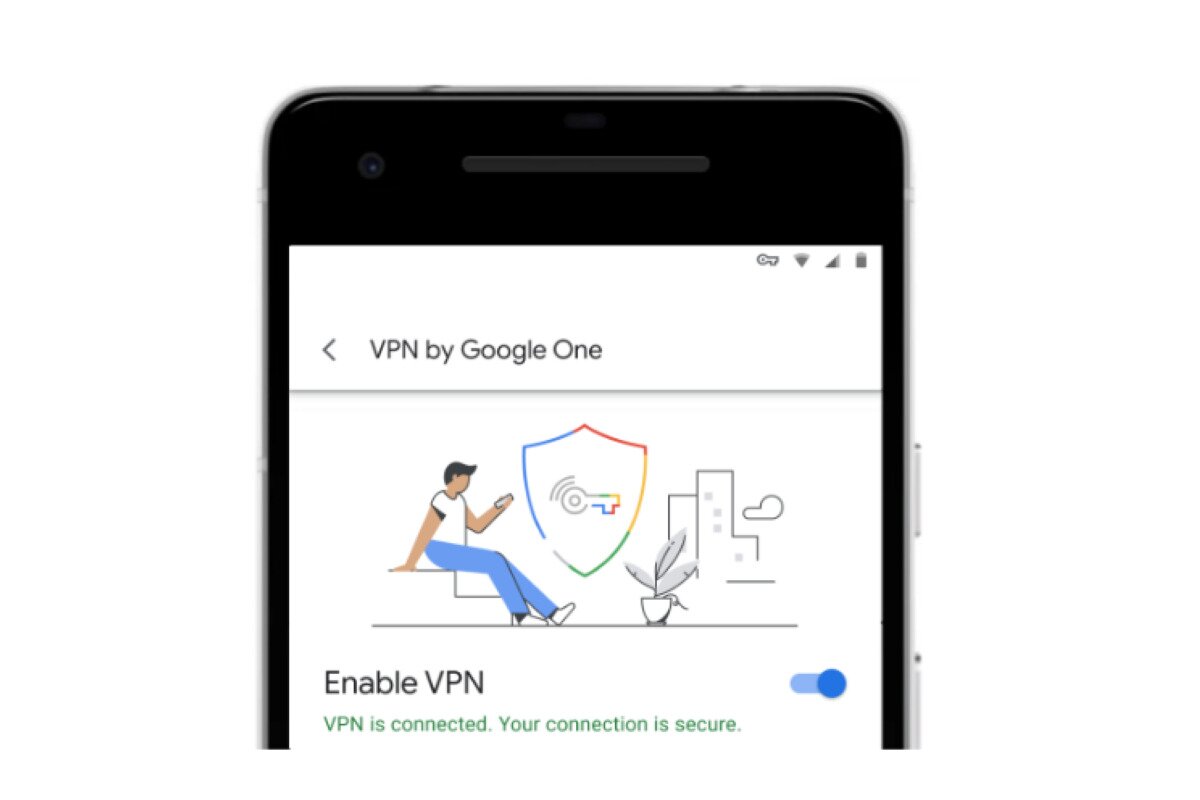
Google One VPN is a simple service launched in October 2020 for Android devices carrying the Google One paid subscription plan. Although the service became available later for other devices on Windows and iOS, the VPN was even more basic on those platforms, lacking features compared to the Android version. Despite the simplicity of just tapping a button, it served its mission by protecting your connection through a secure encrypted tunnel. However, Google announced the service will be discontinued, according to emails received by and reported from subscribers. We will discuss the reasons behind this decision, overview its features, and explore alternative options.
Why Google One VPN Was Shut Down
The company has decided to shut down the service and replace it with more in-demand features for Google One. A Google spokesperson declared that the decision was made due to users’ unwillingness to engage with the product, stating plainly that people simply weren’t using it. Low adoption rates are a common reason tech companies retire niche products, and this case was no different.
In the following sections, we will overview the VPN’s features, pros and cons, and pricing plans to understand what users were — and weren’t — getting from the subscription.
As stated in the introduction, the VPN itself offered nothing particularly special but could be an affordable option for those with modest expectations. The service cost $1.99 per month or $19.99 annually, bundled with 100 GB of cloud storage, editing features for Google Photos, and dark web monitoring.
One of the biggest downsides was the inability to select a virtual server location or IP address, which is a standard feature in most competing VPN services. On devices other than Android, users were also deprived of split tunneling and a kill switch — the latter being a critical privacy safeguard that cuts your internet connection if the VPN drops unexpectedly, preventing your real IP address from being exposed to your ISP. These significant limitations likely contributed to the low engagement that ultimately led Google to discontinue the product. The lack of transparency around its underlying protocol also made it difficult for privacy-conscious users to trust the service fully.
Compared to established third-party VPN providers, the offering felt underpowered. Most premium VPNs provide server selection across dozens of countries, robust encryption protocols, and cross-platform kill switch support as baseline features. Without these, it was hard for the product to compete in a crowded market.
Other VPN Options After Google One VPN
Other alternative VPNs are still available from Google through Fi Wireless subscriptions and for Pixel 7 owners and above. For Google Fi, prices range from $35 to $110 monthly for a two-line account. However, the VPN remains free as a built-in feature for Pixel devices without requiring a premium plan.
The Pixel VPN, powered by Google’s own infrastructure, offers a more seamless experience for Pixel device owners and does not require a separate subscription. It automatically protects your traffic on untrusted networks, making it a practical option for everyday use. While it still lacks the server-selection flexibility of third-party services, it is a meaningful step up from what the discontinued plan offered.
For users who relied on the now-defunct service and need a more capable replacement, the broader VPN market offers strong alternatives with transparent privacy policies, audited no-log practices, and wide device support. Evaluating your specific needs — whether that is streaming, privacy, or remote work — will help you choose the right provider.
As the Google One VPN ceased operations on June 20, 2024, we recommend reviewing our selection of top third-party VPN services to find a reliable and feature-rich alternative that suits your needs.
