15 Quick Ways to Fix iPhone Hotspot Not Working Issues
Dealing with an iPhone hotspot not working can be incredibly frustrating, especially when you urgently need to share your data connection. Fortunately, there are several proven fixes to help restore this essential feature on your device. Whether your iPhone hotspot is not working because the button is missing, greyed out, or simply not allowing other devices to connect, this guide covers every possible solution to get your iPhone hotspot working again.
Below, you’ll find step-by-step troubleshooting tips, answers to common questions, and the latest recommendations based on current iOS updates and Apple support guidance.
Stay Secure: Using a VPN for a Safe Mobile Hotspot Connection
Before we get started, make sure that your hotspot connection is as safe as it can be by encrypting your data with a VPN. Sharing data via a hotspot connection can leave you and your sensitive personal information vulnerable to attacks. However, VPN services, like NordVPN, use multiple layers of encryption and added protection to keep this information safe.
Editor's Pick August 2026


Why Is My iPhone Hotspot Not Working? Here’s How to Fix It
Before diving into advanced solutions, try these general troubleshooting steps first:
- Make sure that Airplane Mode is disabled.
- Check that your mobile data is working and your SIM card is properly inserted and recognized.
- Turn Personal Hotspot off and on a few times.
- Ensure the “Allow Others to Join” toggle in Personal Hotspot settings is turned on.
- Restart your iPhone and the device you’re trying to connect.
- Check if Low Power Mode or Battery Saver is enabled and turn it off, as it can sometimes interfere with hotspot functionality.
If none of these solutions resolve your iPhone hotspot not working, try these 15 alternative methods to connect your devices while you are out and about.
1. Connect via a USB data cable
You might not know this, but you can also connect to your iPhone’s hotspot through a USB cable. USB tethering is a simple and reliable method that will help you connect in just a few steps. It’s also a great test to run when Wi-Fi hotspot discovery or joining is failing — if USB works, you know your hotspot itself is functioning even if the wireless side has an issue.
Before you connect, make sure the following prerequisites are in place:
- On your iPhone, go to Settings > Personal Hotspot (or Settings > Cellular > Personal Hotspot) and turn on Allow Others to Join.
- On a Windows PC, install the latest Apple Devices app (from the Microsoft Store) or iTunes before plugging in your iPhone. Without this, Windows won’t have the drivers needed to recognize your iPhone as a tethered network connection.
- Use a certified Apple or MFi-certified Lightning or USB-C cable. Uncertified cables often cause connection failures.
- When prompted on your iPhone, tap Allow to let the accessory connect, and then tap Trust This Computer on the Trust prompt that follows.
- Enable the personal hotspot on your iPhone.
- Connect the iPhone to your computer via a data cable.
- The computer will connect to the hotspot. It will show up as an Ethernet connection.
Note: Ensure you’re using an original Apple cable or a certified cable for the smoothest possible connection. When you’re done, remember to disconnect the cable or turn off Personal Hotspot to avoid unintended data use.
2. Manually Reinstalling Drivers for USB Tethering
In the event of iPhone USB tethering not working, these steps can help you to solve the problem:
- Connect the iPhone to your PC.
- Open File Explorer.
- The iPhone device will be listed under “Devices and Drivers.” Right-click on it and select “Properties”.
- Go to the “Hardware” tab and select “Properties”.
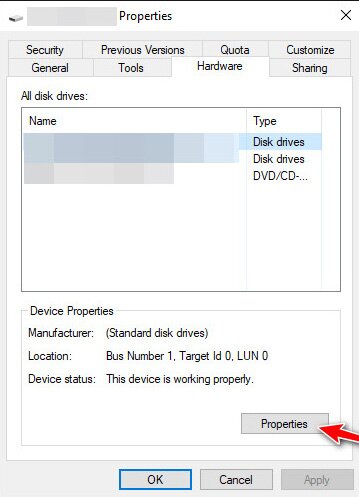
- Now click on “Change Settings”.
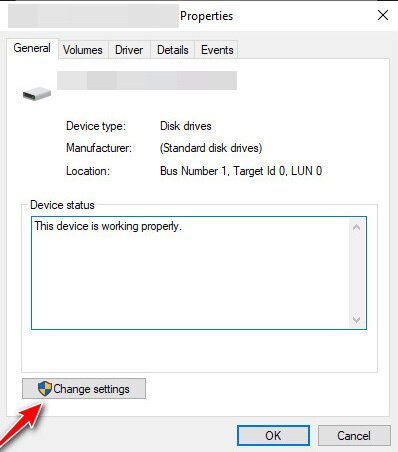
- Next, select the “Driver” tab and click on “Update Driver.”
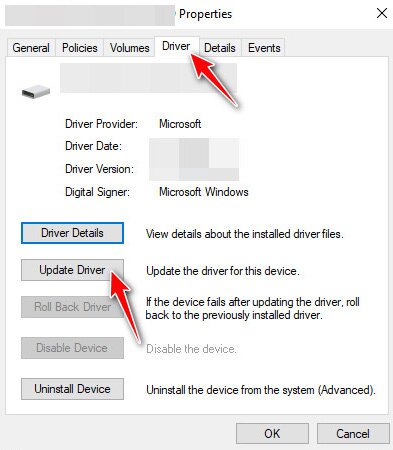
- Choose “Browse my computer for drivers.”
- Copy the following destination and paste it into the location box next to the “Browse…” button:
C:\Program Files\Common Files\Apple\Mobile Device Support\Drivers
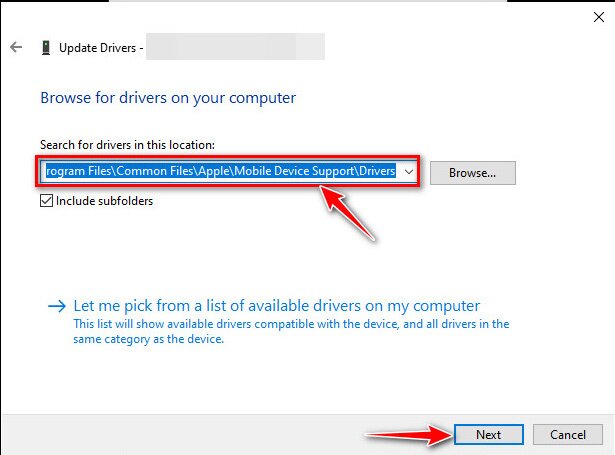
- Click “Next” to reinstall the drivers.
- Repeat the same steps for the “Apple Mobile Device Ethernet” under “Devices and Drivers.” However, this time, use the following path:
C:\Program Files\Common Files\Apple\Mobile Device Support\NetDrivers
Connect via Bluetooth if iPhone Hotspot Not Working Over Wi-Fi
If Wi-Fi hotspot discovery or joining is unreliable, Bluetooth tethering is a solid fallback. It’s one of the three official connection methods Apple supports for Personal Hotspot. Bluetooth is slower than Wi-Fi, but it’s often more stable when Wi-Fi is the source of the problem.
- On your iPhone, go to Settings > Personal Hotspot and make sure Allow Others to Join is turned on.
- Stay on the Personal Hotspot screen, then go to Settings > Bluetooth on your iPhone and make sure Bluetooth is enabled.
- On your laptop or tablet, open Bluetooth settings and scan for available devices.
- Select your iPhone from the list of available devices. A pairing code will appear on both screens — confirm the codes match and tap Pair on your iPhone.
- Once paired, your laptop should recognize the iPhone as a network device. On Windows, look for it under Network & Internet settings. On a Mac, it will appear in the Bluetooth menu as a connected network source.
- Connect to the internet through the iPhone’s Bluetooth connection and verify it’s working.
Note: Bluetooth tethering is noticeably slower than Wi-Fi or USB, so it’s best used as a temporary workaround rather than a long-term solution. Disconnect when you’re done to preserve your iPhone’s battery and mobile data.
3. Forget the network and connect again
If you’re able to connect to the personal hotspot but cannot access the internet on your PC, try using the forget button on the hotspot section. If that still doesn’t help, these network IP renewal steps may help restore the connection. Then, try to connect again. To do this:
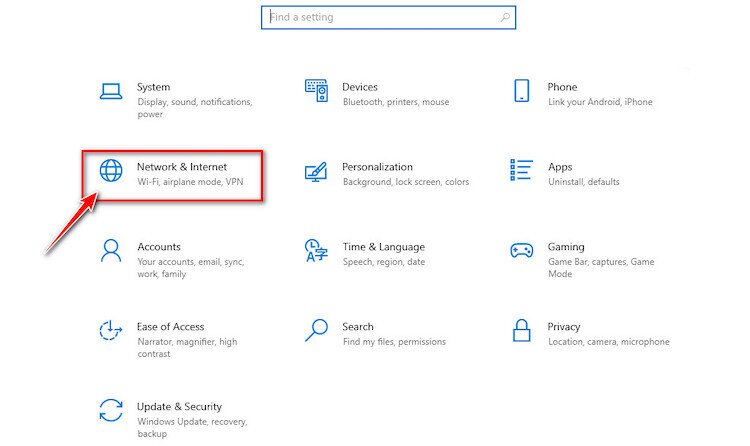
- Open the “Settings” app by pressing the Windows + I keys on your keyboard.
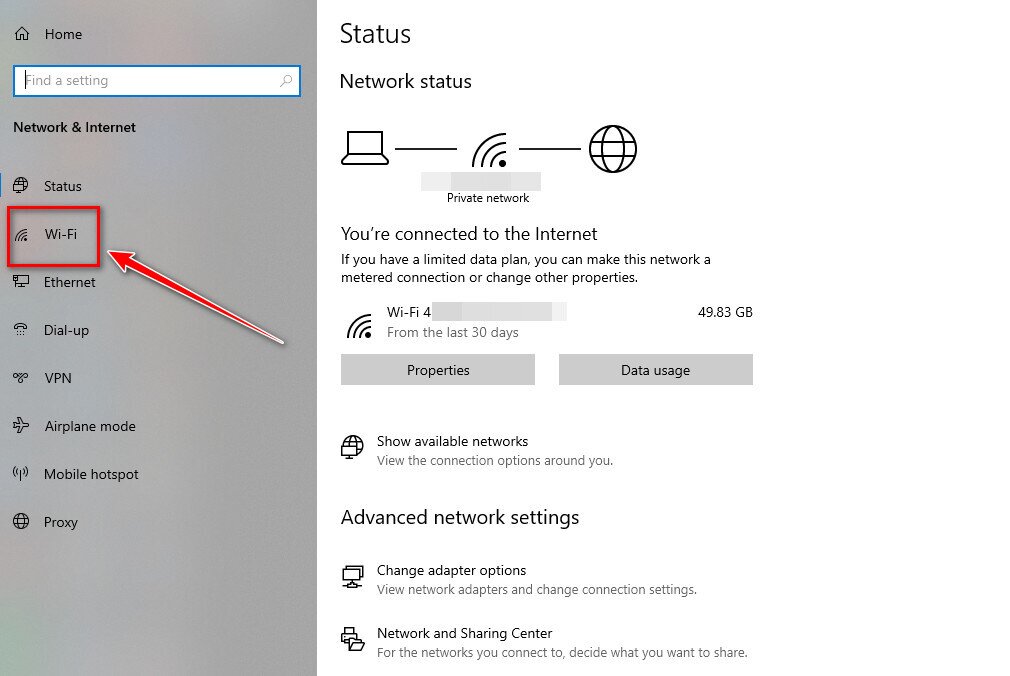
- Go to “Network & Internet.”

- Select the “Wi-Fi” tab.

- Click “Manage known networks.”
- Choose the iPhone network and click “Forget.”
If You See “Incorrect Password” or “Unable to Join”
Authentication errors and “unable to join” messages are some of the most common Wi-Fi hotspot complaints. Here’s how to work through them systematically:
- Change your hotspot password. Go to Settings > Personal Hotspot > Wi-Fi Password on your iPhone. Use at least 8 characters, stick to standard ASCII letters and numbers, and avoid emoji, accented characters, or uncommon special characters — these can cause joining failures on some devices.
- Forget the hotspot on the connecting device. On the client device, go to your Wi-Fi settings, find your iPhone’s hotspot network, and choose “Forget.” Then reconnect from scratch using the updated password.
- Keep your iPhone on the Personal Hotspot screen while connecting. Apple recommends staying on the Personal Hotspot settings screen on your iPhone while another device attempts to join — this keeps the hotspot discoverable and active during the connection process.
- Make sure Wi-Fi and Bluetooth are both enabled on your iPhone. Personal Hotspot relies on both radios. If either is off, nearby devices may not be able to discover or join your hotspot.
- Keep the devices close together. Distance and physical obstructions can cause poor signal and join failures. Move the devices within a metre or two of each other during the initial connection.
- Use Instant Hotspot if both devices share the same Apple Account or Family Sharing group. On a Mac or iPad with the same Apple ID (or in the same Family Sharing group), your iPhone’s hotspot should appear automatically in Wi-Fi settings without needing to enter a password. If it’s not appearing, make sure both devices have Bluetooth on and are signed in to the same Apple Account.
4. Reinsert your SIM Card
Removing your SIM Card from the iPhone and inserting it again can be a simple fix when your iPhone hotspot is not working. If your iPhone can’t recognize your SIM Card and connect to it, you won’t be able to access the hotspot from another device. Moreover, the mobile data will be unavailable. To remove your SIM card, follow these steps:
- Find the SIM tray on your iPhone (tip: the SIM tray is on the right edge of any iPhone models released after the iPhone 4).
- Insert the SIM removal tool or a needle/paperclip into the small hole on the SIM tray. Push the tool forward until the tray opens.
- Now, simply remove the SIM card.
- Put the SIM card back and if the issue has been resolved, you will be able to connect without a problem.
5. Rename your iPhone
Regardless of how “smart” your computer may be, it may be struggling to recognize your iPhone hotspot’s name. Spaces or non-alphanumeric characters may cause issues when you try to connect. To rename the hotspot, you will need to:
- Open the “Settings” app on your iPhone/iPad.
- Go to the “General” tab and tap “About.”
- Rename the hotspot. Ensure there are no special characters in it (or periods, commas, etc.).
- Try connecting to the hotspot again.
6. Enable the Maximize Compatibility setting
Every so often, the issue comes from the device you’re trying to connect to your iPhone hotspot. If it’s an older device, there is a chance that it is only compatible with a hotspot frequency of 2.4 GHz, while your iPhone’s hotspot has a 5 GHz frequency. To address this issue, follow these steps:
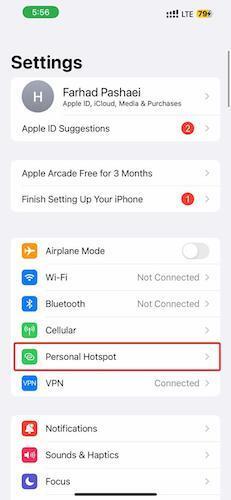
- On your iPhone, go to the “Settings.”
- Now tap on the “Personal Hotspot”.

- Simply tap the “Maximize Compatibility” toggle to enable this feature.

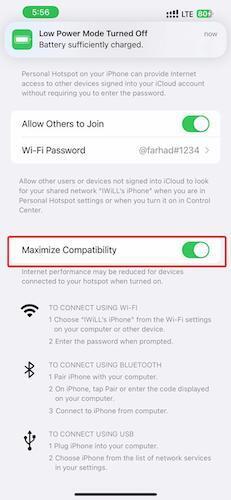
Now your iPhone will be able to connect to older devices. Be aware that this setting can slow down the speed of your hotspot. This is a particularly useful step when your iPhone hotspot is not working with older laptops or tablets that only support 2.4 GHz Wi-Fi.
Note: The Maximize Compatibility setting is only available on iPhone 12 and newer models.
7. Force a Reboot
Have you tried turning it off and back on again? One of the most effective solutions to many iPhone issues and bugs is a forced reboot. If your iPhone hotspot is not working due to a temporary software glitch, a force restart often clears it. To kickstart this process, you will need to:
- Press the volume up button (Don’t hold the button).
- Press the volume down button (Don’t hold the button).
- Press and hold the side button of the iPhone until the Apple logo appears.
8. Update the iOS Version
New iOS updates often bring enhanced features and bug fixes. If your iPhone software is out-of-date, it may cause hotspot issues. An outdated iOS version is a common reason iPhone hotspot is not working correctly, so keeping your device updated is essential. To update:
- Go to the Settings menu and tap on “General.”
- At the top of the page, select “Software Update.”
The device will check if there is a new update available. Selecting “Update Now” will start the process of downloading and installing the latest version of iOS.
9. iOS Repair
If you suspect a deeper software issue is causing your iPhone hotspot not working problem, you can use a PC to repair your iPhone’s system software. This method is safe and won’t remove your data, but always back up your data first.
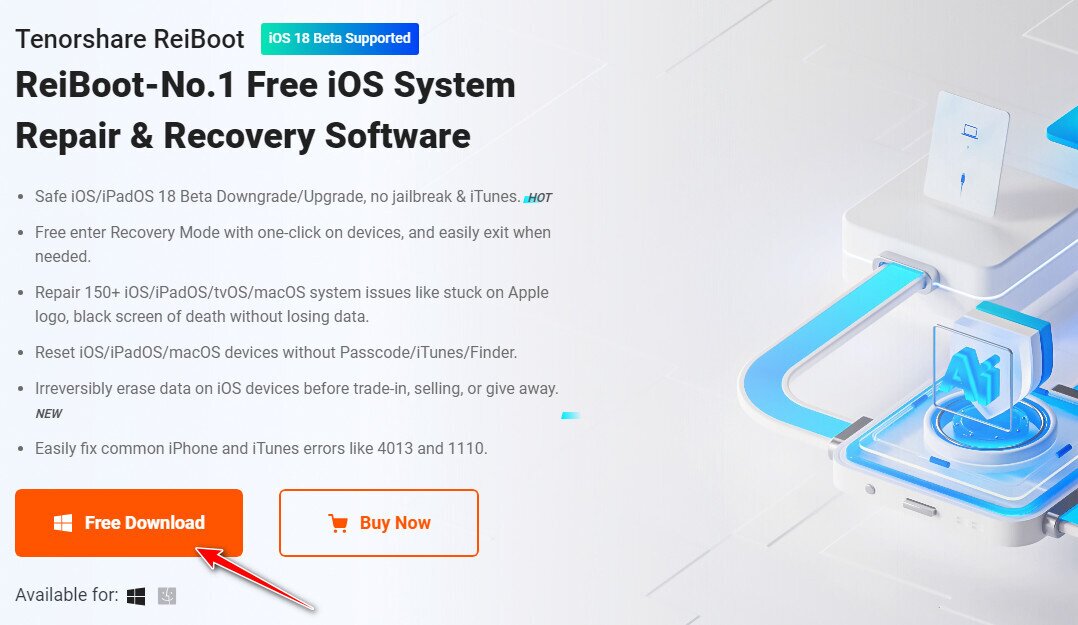
- Download and install the repair and recovery software ReiBoot from the official website. Note: You can use different apps like iTunes or AnyFix for this method. The process will be similar.

- Connect your iPhone to the computer via a USB cable, and do not disconnect it until the end.
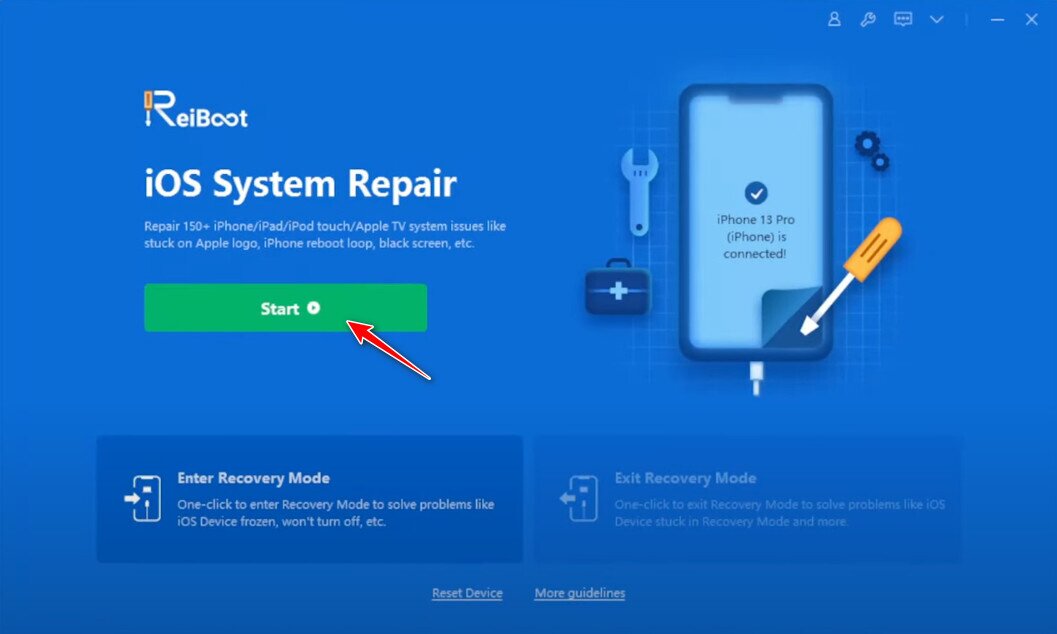
- Open the ReiBoot app and click on the green “Start” button.

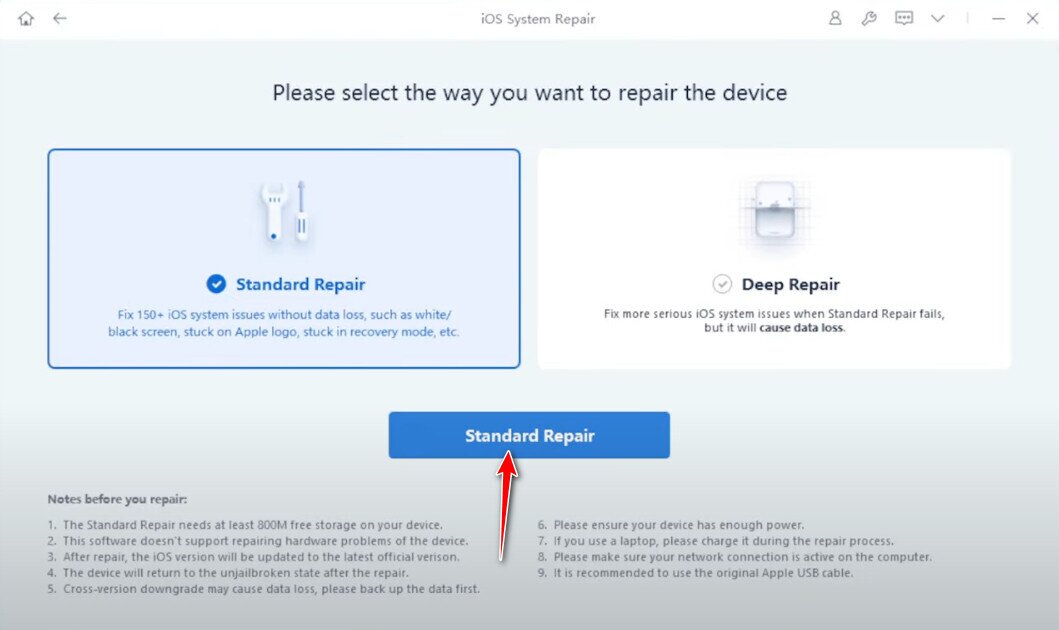
- Then select “Standard Repair.”

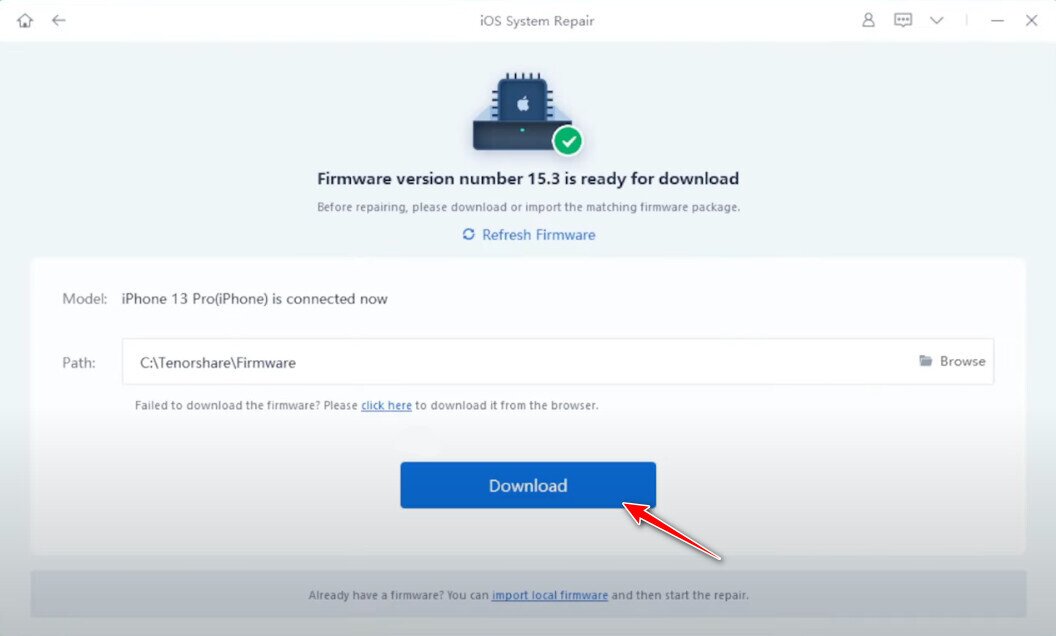
- The app wants to download the newest iOS firmware. To do so, specify a path on your system and click on the “Download” button.

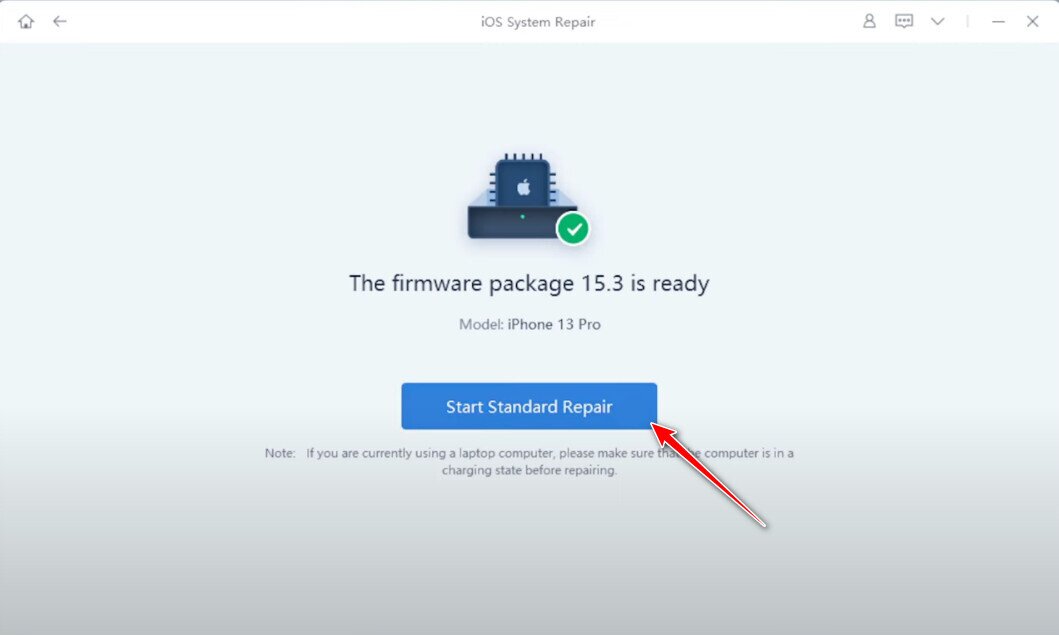
- Wait for the download to be completed. Then click on the “Start Standard Repair” button.

- Let the software do its thing. After it has repaired the software, you can disconnect your iPhone from the computer and check if the issue has been resolved.
10. Update the Carrier Settings
If you can’t even see the personal hotspot option on your iPhone, or it is greyed out, your carrier or mobile plan is often the root cause — not just your device settings. This is one of the most overlooked reasons for iPhone hotspot not working. If you’re also seeing cellular SOS indicators, that can point to a broader carrier, SIM, or signal issue. Work through the following checks before assuming there’s a software problem:
- Confirm mobile data is on. Go to Settings > Cellular and make sure Cellular Data is toggled on. Personal Hotspot won’t function without an active cellular data connection.
- Check that your plan includes Personal Hotspot/tethering. Not all mobile plans include hotspot or tethering. Log in to your carrier’s app or website, or call their support line, to confirm your current plan supports it. This is one of the most overlooked reasons hotspot is missing or disabled.
- Verify your account is active and in good standing. A past-due balance, data cap, or account restriction can cause your carrier to disable hotspot remotely. Check your account status and resolve any outstanding issues.
- Contact your carrier to reprovision hotspot or APN settings. If your plan does include hotspot but the option is still missing or greyed out, call your carrier and ask them to reprovision your hotspot or push updated APN settings to your account. This is a common fix that only the carrier can perform.
- Update your carrier settings. To check for a carrier settings update, go to Settings > General > About and wait at least 15 seconds. If a carrier update is available, a prompt will appear — tap “Update” to install it. These updates can restore hotspot functionality and fix APN configuration issues.
Note: The number of devices you can simultaneously connect to your iPhone’s hotspot can vary depending on your carrier and iPhone model. If you’re hitting a connection limit, check your carrier’s documentation or contact support for clarification.
11. Reset all the Network Settings
This fix will return all the network settings on your device to their factory defaults. But, your personal files and data will be unaffected. Resetting network settings is a reliable step when your iPhone hotspot is not working due to a corrupted network configuration. Here’s what you need to do:
- On the Settings menu, scroll down and select “General.”
- On the next page, go all the way down and select “Transfer or Reset iPhone.”

- At the bottom of the page, choose “Reset.”
- Select “Reset Network Settings” on the menu.

- Enter your iPhone passcode.
- Press the “Reset Network Settings” option.
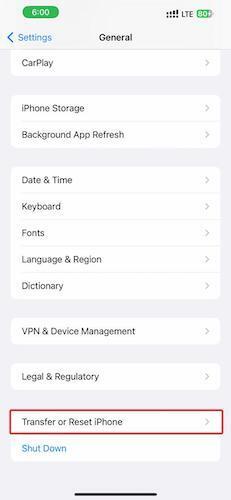
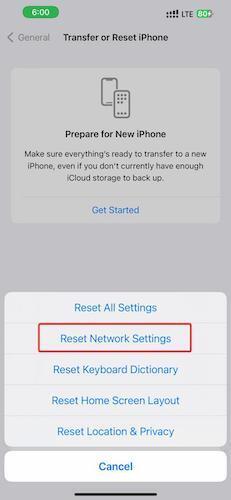
All the network preferences and settings will be deleted. Connect to your Wi-Fi again, to see whether this reset has had the desired effect.
12. Control Center Trick
If you have a simple bug interfering with the process, you can make the iPhone hotspot work with a simple trick. Follow these steps to see if you can enable the hotspot:
- Open the Control Center of your iPhone.
- Touch and hold the top left window containing the Bluetooth, Airplane Mode, Mobile Data toggles, and more.
- When that window opens, turn on the Wi-Fi option.
- Make sure that the Mobile Data option is turned on.
- Now turn on your Personal Hotspot. Make sure that the Wi-Fi option turns white. You should see a “Not Connected” message displayed under it.
Note: Ensure that the Maximize Compatibility feature is on. You can see the steps to enable this feature in the previous section.
13. Log Out from iCloud
It’s strange, but signing out of your iCloud account is sometimes an effective way to fix your iPhone hotspot not working. Follow these steps to sign out of your iCloud account:
- Go to your iPhone’s Settings menu.
- Tap on your account.
- At the bottom of the screen, click “Sign Out.”
All you have to do, then, is to sign back into your iCloud and see if the hotspot issue has been resolved.
14. Update the Driver
If you are struggling to connect specifically to an iPhone hotspot with your Windows device, the problem might lie in software support or drivers. Work through the following steps in order before exploring anything more advanced:
- Install or update the Apple Devices app or iTunes for Windows. Windows USB hotspot support depends on having Apple’s software installed first. Open the Microsoft Store and install or update the Apple Devices app (preferred on Windows 11 and later Windows 10 builds). If you’re using an older Windows version, install or update iTunes instead. Without this software, Windows won’t have the drivers required to recognize your iPhone as a tethered network connection.
- Reconnect your iPhone with a certified cable. After installing or updating Apple Devices or iTunes, disconnect and reconnect your iPhone using an Apple or MFi-certified Lightning or USB-C cable.
- Respond to the prompts on your iPhone. When you plug in, your iPhone may display an “Allow this accessory to connect?” prompt — tap Allow. If a “Trust This Computer” prompt appears, tap Trust and enter your passcode. Both prompts must be approved for the USB connection to work.
- Update your PC’s network adapter through Device Manager. If the above steps don’t resolve the issue, open Device Manager (press the Windows key and type “Device Manager”), expand Network Adapters, right-click your network adapter, and select Update driver > Search automatically for drivers. This will pull the latest driver via Windows Update and can fix general connectivity problems between your PC and iPhone.
Note: Some older guides recommend downloading a specific Marvell Semiconductor driver (version 15.68.17015.112) from the Microsoft Update Catalog. This is a niche fix that only applies to PCs with a Marvell AVASTAR wireless adapter — a specific piece of hardware found in certain older Surface and third-party devices. It is not a general hotspot fix and should not be applied unless you have confirmed your PC uses that specific adapter and all other steps above have failed.
15. DFU Restore
As a last resort, you can perform a DFU (Device Firmware Update) restoration on the iPhone, which will remove all your data. This includes software and firmware. So, be cautious not to attempt this before all the other methods mentioned above.
Note: We recommend backing up your iPhone data to iTunes, iCloud, or Finder before starting the process.
To start this spring-cleaning, you will need to:
- Connect your iPhone to your computer via a USB cable.
- Press the volume up button (Don’t hold the button).
- Press the volume down button (Don’t hold the button).
- Hold the side button.
- When the screen goes black, keep holding the side button and the volume down button for at least 5 seconds.
- Stop holding the side button, but keep holding the volume down button, until you see a message displayed on your computer.
- You are now in DFU mode. Click the “OK” button on your computer.

- Then, click on the “Restore iPhone” button to start the restoring process.

- To exit the DFU mode, simply repeat steps 2, 3, and 4 until the Apple logo appears on your iPhone.
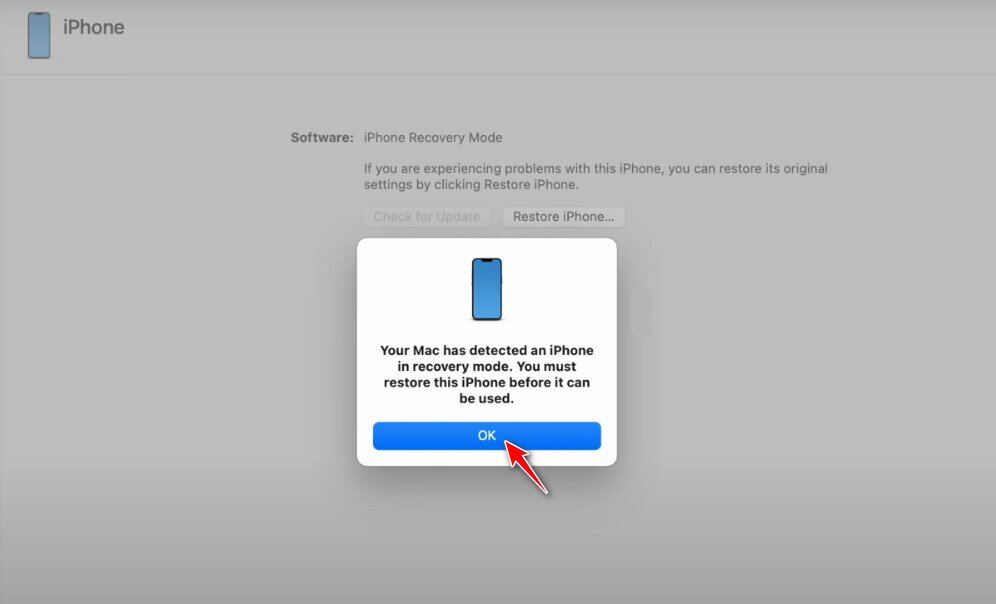
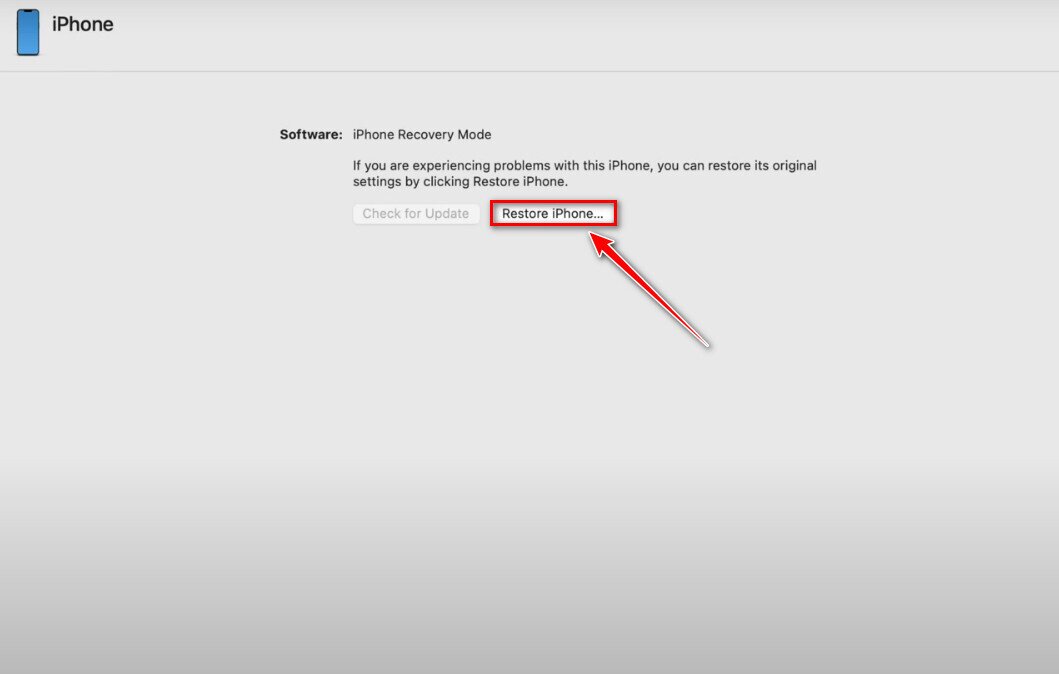
Now, you can use your backup to re-setup your iPhone again. You should be able to connect to your hotspot without any problems.
Key Takeaways: Resolving iPhone Hotspot Not Working Issues
Ten years ago, creating a wireless or wired hotspot on an iPhone (or any smartphone) was quite the task. These days, however, the process has been ironed out. Even if you have some trouble with the iPhone hotspot not working initially, most common issues can be resolved in just a few simple steps.
And, if that doesn’t work — a factory reset is always a good way to get rid of any lingering bugs. The solutions listed above should solve whatever problems you’re experiencing.
Frequently Asked Questions
Why isn’t my iPhone hotspot showing up on my laptop?
There are many reasons why your iPhone hotspot is not working or not showing up on your laptop. This includes issues with the iPhone’s network settings, a firmware glitch, a carrier concern, or even an issue related to your laptop. Try activating the Maximize Compatibility option on your iPhone and updating your iOS or carrier settings to address the issue.
Can I manually connect the iPhone hotspot to a laptop?
Yes, you can connect to the hotspot using your iPhone’s USB cable. Be sure to select that you “Trust” the device if you are prompted, or “Allow” the accessory to connect. Once this connection is successfully set up, you will be able to use your iPhone’s cellular connection on your Windows or Mac device.
What is a failed to enable personal hotspot error?
If your iPhone is not up-to-date, or there is a bug in the system, software and network settings, you might face this error when trying to enable the personal hotspot. An iPhone hotspot not working due to this error can usually be fixed by updating iOS or resetting network settings. To solve this problem, try the methods we have outlined in the article.
What’s new in this update
- Minor copy edits and clarity improvements.
Last updated: 2025-09-17

I have done all of these things and yet none of them work all it has said on my laptop is can’t connect to this network. I’ve connected my phone to my laptop previously but one day it just stopped working. Any other suggestions?
Nice work Fatima. I dropped by the AT&T store, and they couldn’t figure out my problem. Although, they were smart enough to try connecting my laptop to THEIR iPhone and THEIR iPhone to my iPhone’s hotspot successfully. It seemed to all of us that there was no other possible solution.
After reading your article, the first ting I tried was renaming my phone, removing the space, and….BAM ! My Dell Windows 10 laptop connected right away.
Thank you.